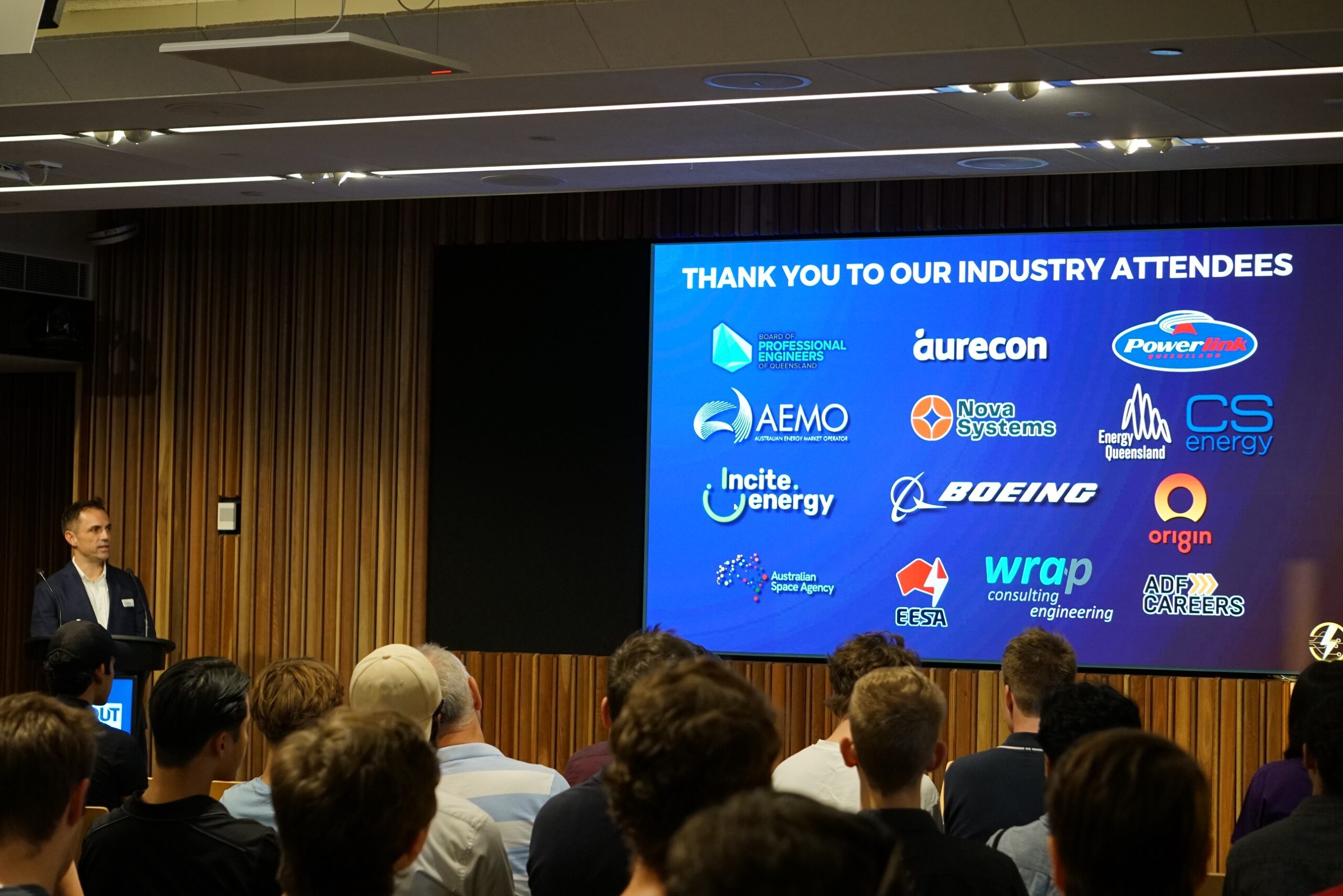
I recently attended the EESA Queensland seminar where Rob Mailer dove into the evolving role of long-duration storage in supporting a renewable grid. The talk shed light on why battery energy storage systems (BESS) and especially hybrid configurations are key to smoothing out the challenges of solar variability and the retirement of coal plants.
Here are my three big takeaways from the event:
1. Financial Viability: Why Hybrids Make More Sense
One of the standout points was the financial balancing act of long-duration storage. A pure 8-hour stand alone battery might sound good, but in reality, it’s currently not that feasible without subsidies. There are only about four hours of super-cheap surplus energy available during the day, and that window is quickly used up. Without a hybrid approach, you’d still need another four hours of energy coverage at night, which isn’t economically viable. Hybrids solve this by letting you charge batteries during off-peak times, smoothing out costs and making the whole system more profitable.
2. Coupling Design and Performance Stability
Another big highlight was how performance varies based on the coupling design. BESS-centric DC coupling stands out because it handles cloud cover and other fluctuations with almost no performance drop. In contrast, PV-centric systems are much more reactive to sudden changes in sunlight, and AC-coupled systems fall somewhere in the middle, with performance depending on the ratio of the array to the battery. Essentially, the BESS-centric approach keeps things stable during intermittent phases, making it a clear winner in terms of reliability.
3. The Looming Challenge of End-of-Life Management
Finally, a crucial topic that came up was what happens when these batteries reach the end of their life. With more batteries being built than new power plants, there will be a wave of decommissioning and disposal challenges in the next couple of decades. While some manufacturers and suppliers are including end-of-life management plans in their contracts, the reality is that recycling technology and processes still need to catch up. This is going to be a major focus as more batteries come offline, presenting both a challenge and an opportunity for the industry.
Wrapping It All Up
It was really interesting to hear industry experts break down these challenges and opportunities. It’s exciting to think about how these technologies might change over the next few years, and I’m looking forward to diving into it more as I get further through my studies into power engineering subjects and eventually start working in the field.